Bouncing Back Strong: Resuming Fitness and Exercise After an Injury
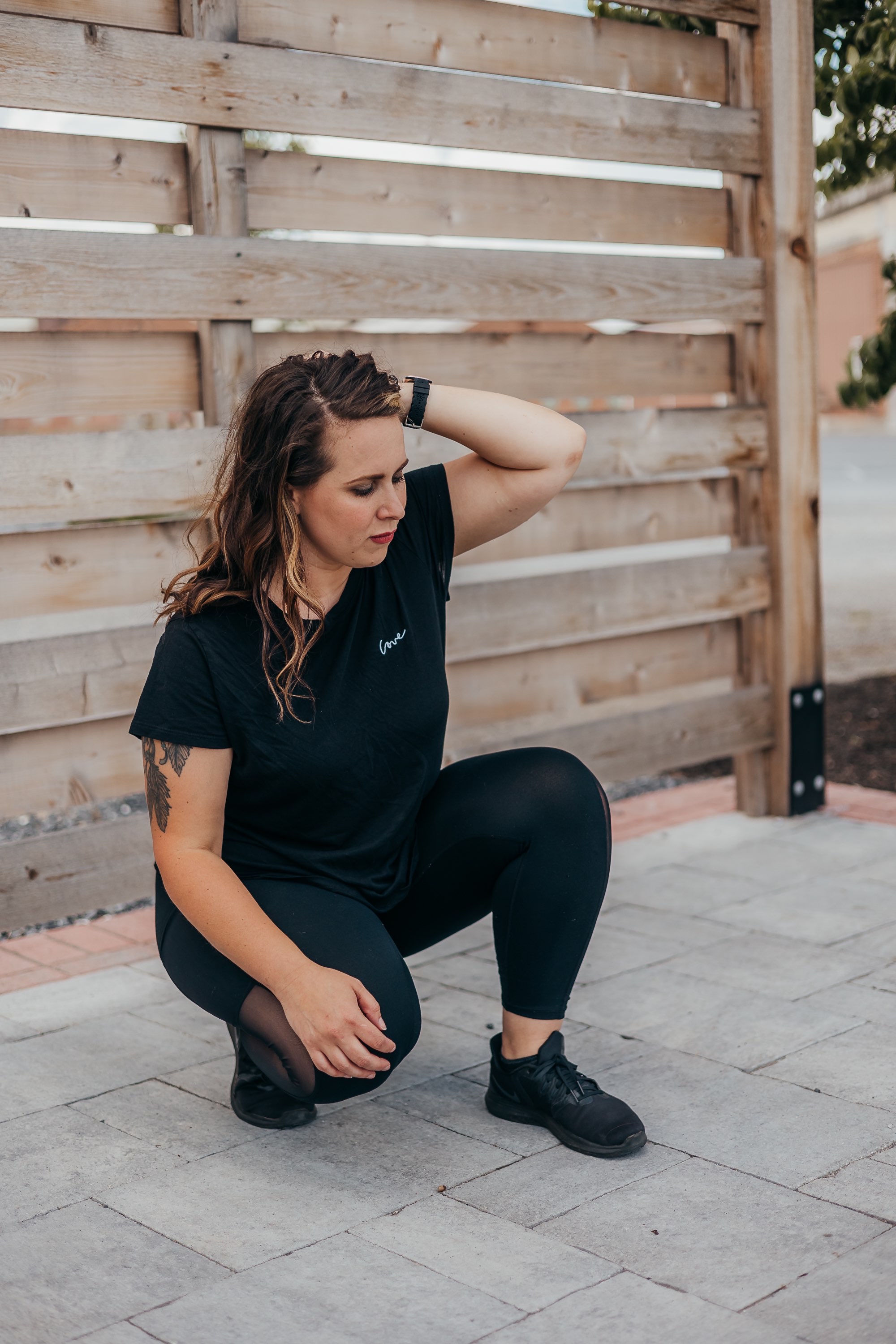

Injuries are setbacks that can test our physical and mental resilience. Whether it's a sprained ankle, a pulled muscle, or a more serious ailment, the road to recovery can be daunting. However, it's crucial to remember that setbacks are just temporary roadblocks on the journey to wellness. Resuming fitness and exercise after an injury requires patience, determination, and a strategic approach. In this blog, we'll explore some essential steps to help you bounce back stronger than ever.
Listen to Your Body:
One of the most critical aspects of returning to exercise after an injury is listening to your body. Pay close attention to any discomfort or pain during physical activity. Pushing through pain can exacerbate the injury and prolong recovery time. Start slowly and gradually increase intensity as your body allows. If you experience persistent pain, consult with a healthcare professional before continuing your exercise regimen.

Set Realistic Goals:
Setting realistic goals is essential when returning to fitness after an injury. Be patient with yourself and understand that progress may be slower than before your injury. Set achievable short-term goals that align with your current abilities and gradually work towards larger milestones. Celebrate your achievements along the way, no matter how small they may seem.
Focus on Rehabilitation:
Depending on the nature of your injury, rehabilitation exercises may be necessary to regain strength, flexibility, and mobility. Work closely with a physical therapist or qualified healthcare professional to develop a personalized rehabilitation plan. Incorporate specific exercises and stretches into your routine to target areas affected by the injury. Consistency is key to rehabilitation, so commit to your prescribed exercises diligently.

Incorporate Cross-Training:
Cross-training is an effective way to prevent overuse injuries and maintain overall fitness while recovering from an injury. Incorporate a variety of low-impact activities such as swimming, cycling, or yoga into your routine to reduce stress on injured muscles and joints. Cross-training also helps to improve cardiovascular health and prevent boredom by adding variety to your workouts.
Gradually Increase Intensity:
As you progress in your recovery, gradually increase the intensity and duration of your workouts. Start with low-intensity exercises and gradually build up to higher levels of intensity over time. Listen to your body and be mindful of any signs of fatigue or discomfort. It's better to progress slowly and avoid setbacks than to push too hard and risk re-injury.

Prioritize Proper Nutrition and Rest:
Proper nutrition and adequate rest are essential components of recovery and injury prevention. Fuel your body with nutrient-rich foods that support muscle repair and recovery, such as lean protein, complex carbohydrates, and healthy fats. Stay hydrated and prioritize quality sleep to optimize recovery and performance.
Seek Professional Guidance:
Don't hesitate to seek guidance from qualified professionals such as personal trainers, physical therapists, or sports medicine specialists. They can provide valuable advice, support, and expertise to help you navigate the challenges of returning to fitness after an injury. Work closely with them to develop a customized exercise plan that meets your individual needs and goals.

Returning to fitness and exercise after an injury requires patience, perseverance, and a proactive approach to recovery. By listening to your body, setting realistic goals, prioritizing rehabilitation, incorporating cross-training, gradually increasing intensity, prioritizing proper nutrition and rest, and seeking professional guidance, you can safely and effectively resume your fitness journey. Remember, setbacks are temporary, but the strength and resilience you gain along the way are lasting.
Interested in learning more tips and tricks regarding exercise and fitness. Join my exclusive membership for FREE!


Comments